Cleaning, disinfection and sanitisation are often used as interchangeable terms, but they serve different purposes. The right choice depends on the dirt or contamination, how the premises are used and who occupies them. A professional protocol does not apply the strongest treatment; it applies the necessary one.
Cleaning: removing dirt and residues
Cleaning combines mechanical action, water and detergent to remove dust, grease and organic material. It is the basis of everyday hygiene and prepares a surface for any later step. Disinfectant applied over visible dirt may not reach the surface evenly.
According to the Swiss Federal Office of Public Health, detergents and good hygiene practices are generally sufficient for routine household cleaning. Habitual use of disinfectants does not automatically add a benefit and increases chemical exposure.
Disinfection: a defined microbiological goal
Disinfection uses a physical process or an authorised product to reduce or inactivate specific microorganisms on a surface. The outcome depends on the active ingredient, concentration, material compatibility, coverage and contact time.
It is justified in defined situations, such as a specific contamination event or premises governed by a particular hygiene protocol. It does not replace cleaning and should not be applied indiscriminately to every wall or floor.
Sanitisation: ask what is actually included
“Sanitisation” is a broad term used for restoring appropriate hygienic conditions. On its own, it does not describe a verifiable method. A responsible quotation should list the operations involved: cleaning, targeted disinfection, odour treatment, mould management or other measures, with products, areas and times clearly defined.
Generic percentages and absolute promises carry little meaning unless they relate to a specific organism, procedure and set of test conditions.
Stages of a professional protocol
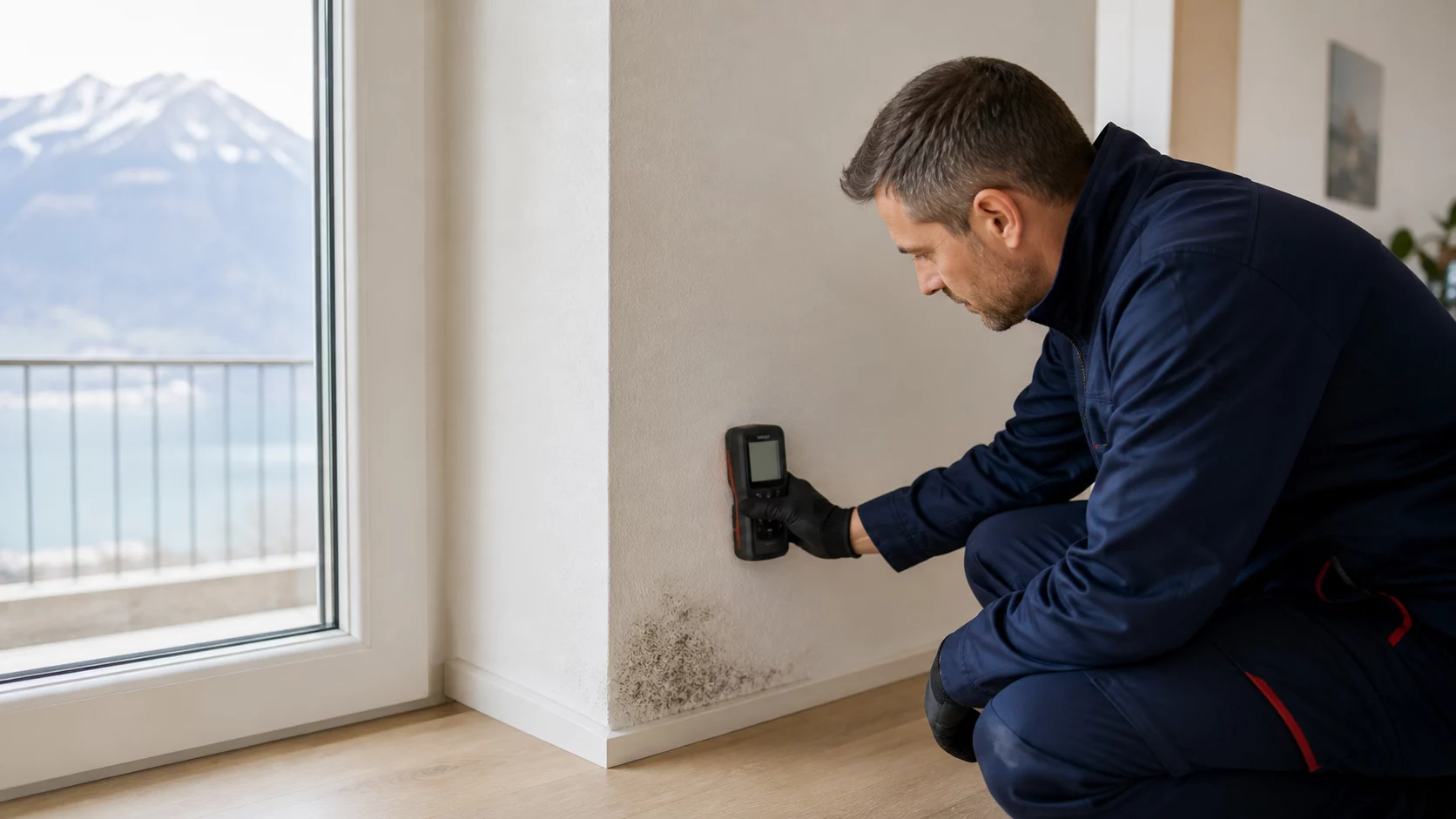
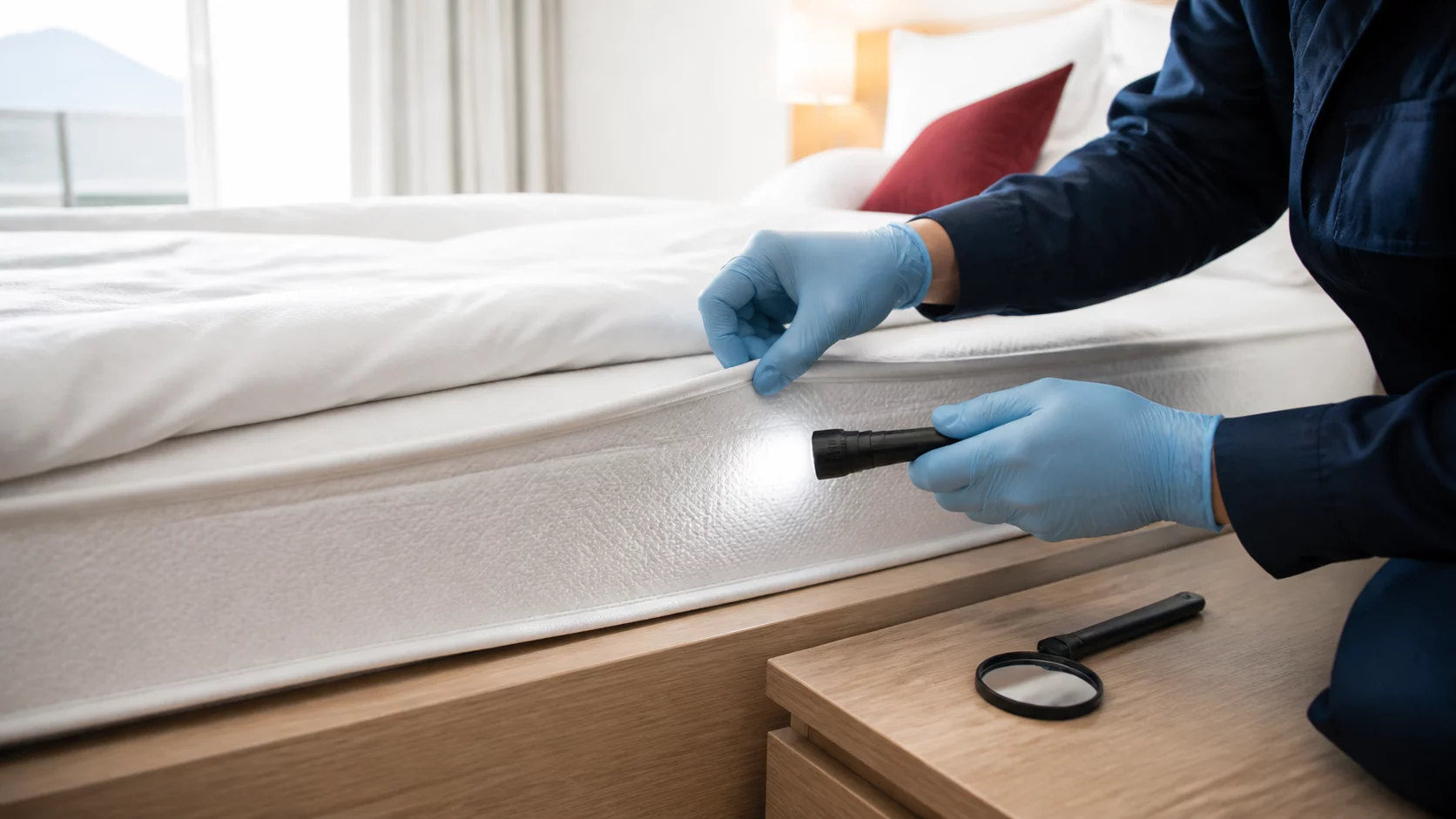
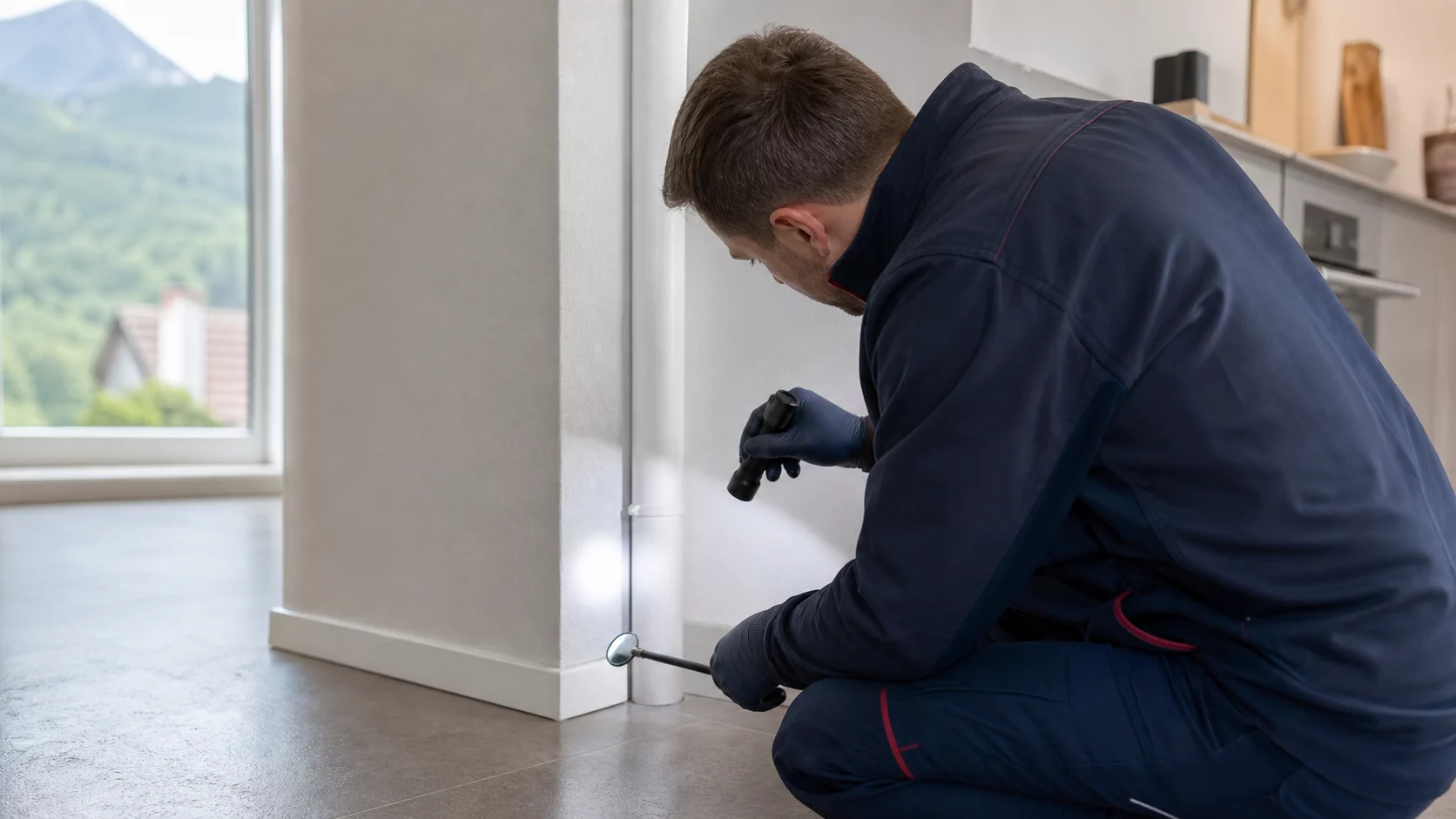
Assess the premises, surfaces and objective.
Remove dirt and protect sensitive objects.
Select a proportionate method and, when needed, an authorised biocide.
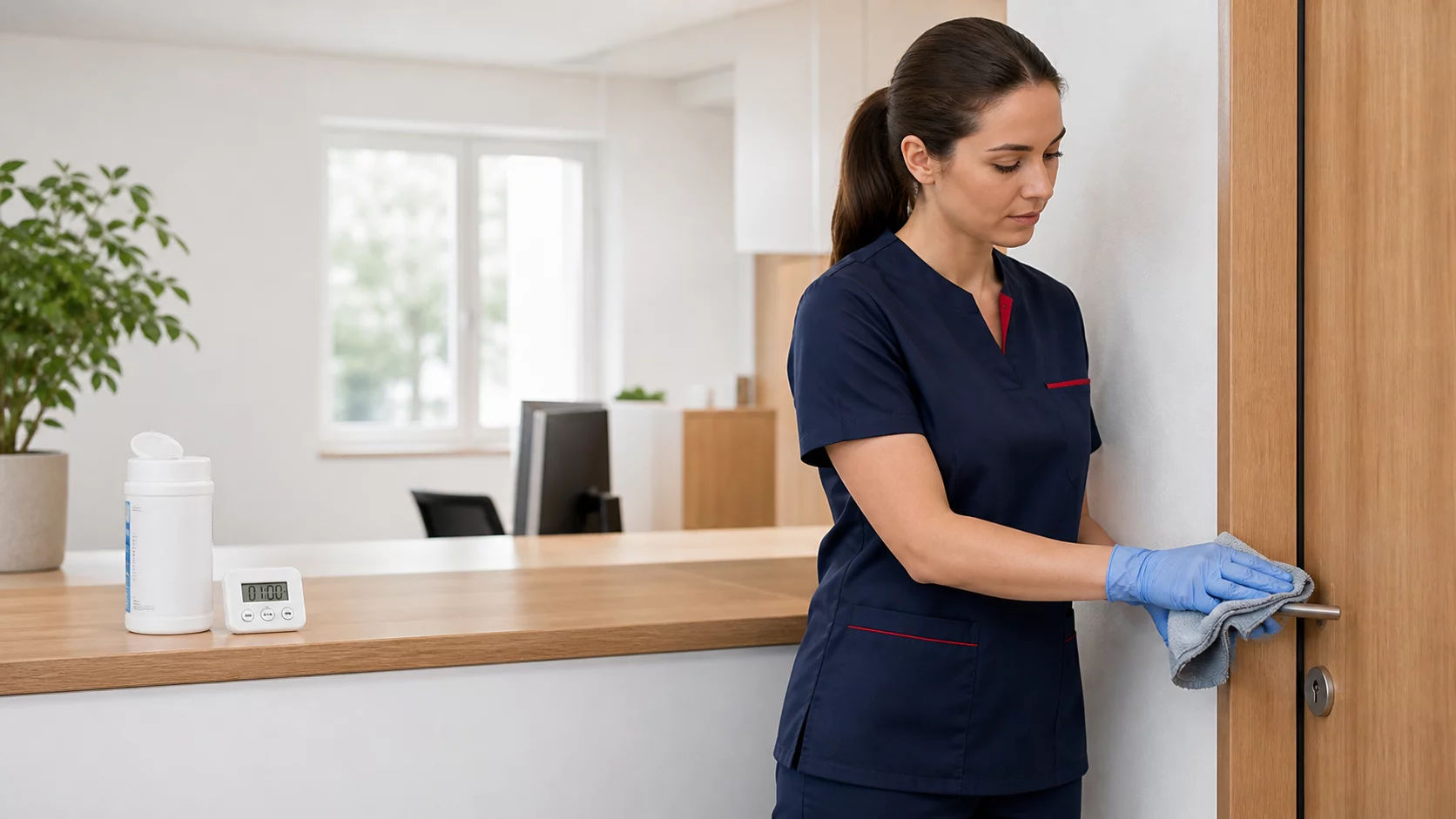
Follow the specified dilution, application method and contact time.
Plan ventilation, safe reopening and documentation.
Mistakes to avoid
Never mix products or transfer them to unlabelled containers. A stronger concentration does not guarantee a better result. Spraying large areas or fogging is not a shortcut: it may increase inhalation and leave uneven coverage. Suva recommends wipe-based surface disinfection where possible, together with the specified protective measures.
Match the response to the real risk
A normal home may only need a well-executed cleaning plan. Businesses, shared spaces or specific contamination events may call for a targeted protocol. TIsistemo assesses premises in Ticino, Mesolcina and the Calanca valley and recommends only steps with a clear purpose, explaining products, precautions and timing.
Sources and further reading
Official guidance from the Swiss Federal Office of Public Health and Suva.