Pests are not necessarily a sign of poor housekeeping. Ants, cockroaches, rodents and stored-product insects settle where they find access, food or water and a quiet place to shelter. Effective prevention therefore relies on a series of small, regular checks rather than one product.
Start with the building envelope
At the beginning of spring and autumn, walk around the entire property, including balconies, cellars, garages and utility rooms.
Check door and window seals, insect screens and thresholds.
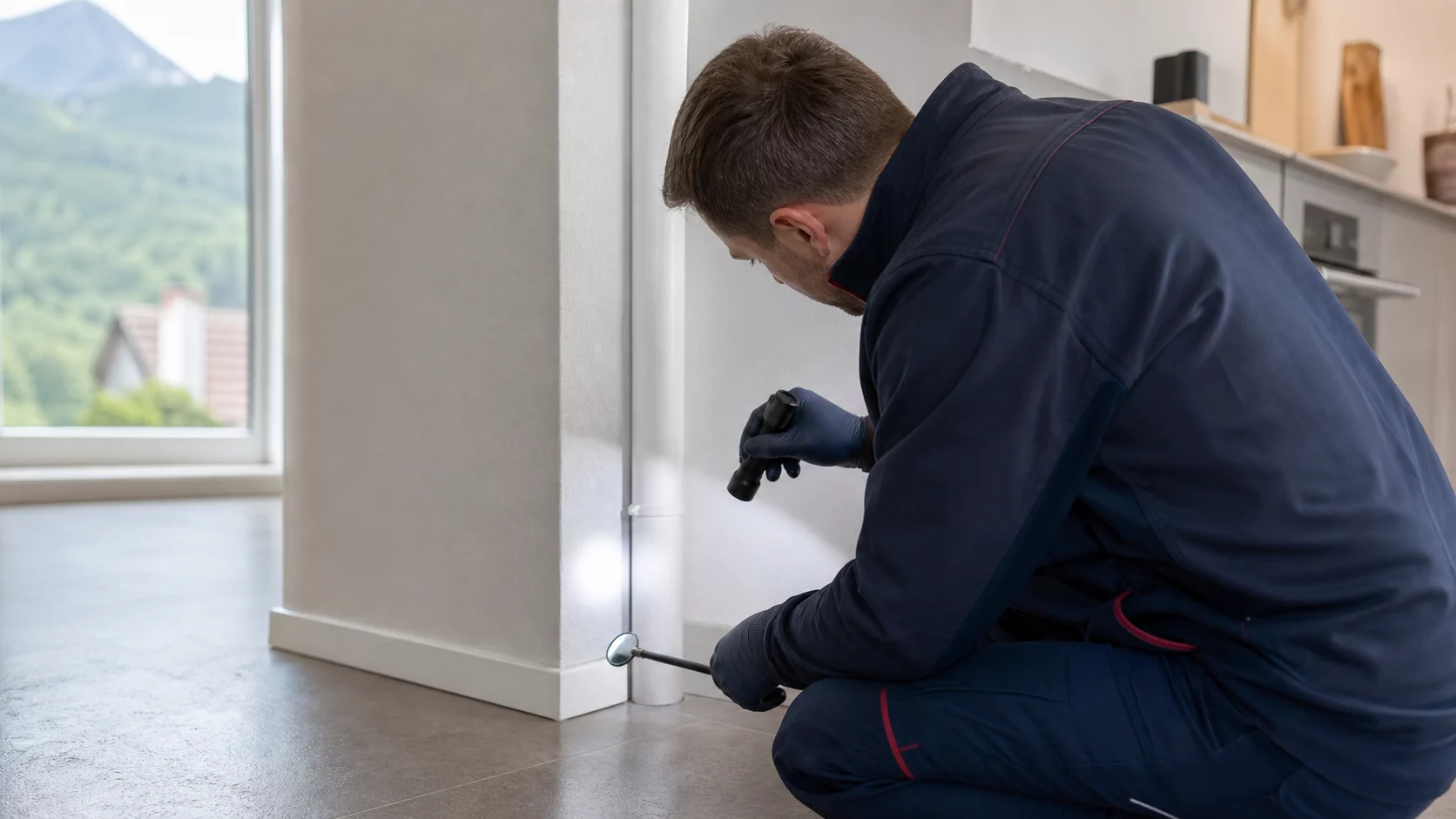
Inspect pipe and cable penetrations, where even a small opening may become an entry route.
Repair cracks and failing joints with suitable materials without blocking necessary ventilation or drainage.
Trim vegetation that touches the façade and keep gutters and drains clear.
Reduce available food and water
Keep flour, cereals, pet food and opened packages in tightly closed containers. Clean periodically beneath the fridge, oven and cabinets, where crumbs and grease can collect out of sight. Store organic waste in a closed bin and empty it regularly.
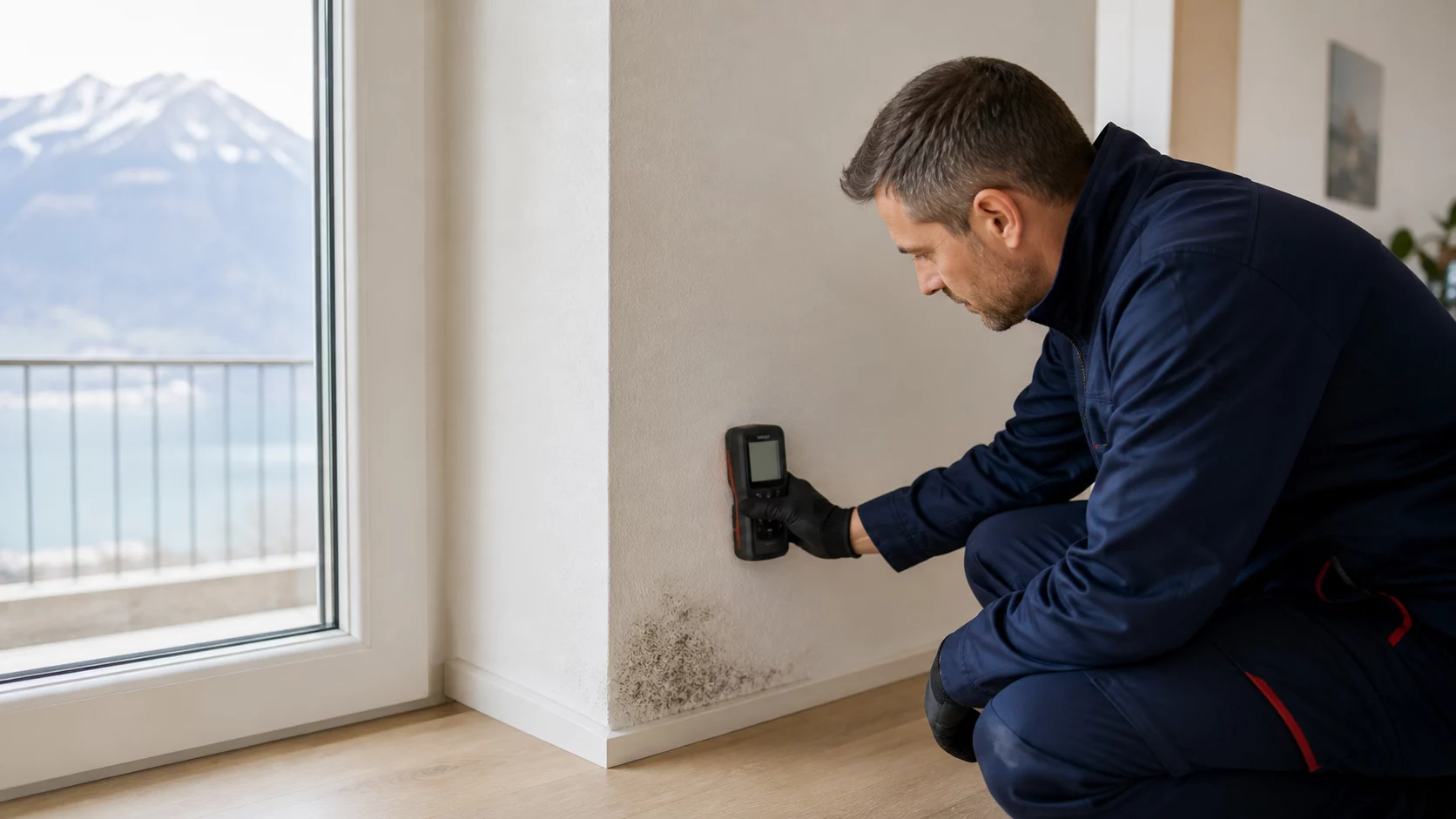
A leak below the sink, persistent condensation or water left in plant saucers matters just as much. Many pests can cope with very little food but still depend on moisture. Fixing a minor leak may be more useful than applying a treatment without a diagnosis.
Keep storage areas easy to inspect
Cardboard boxes on the floor and belongings stacked against walls create undisturbed hiding places. Choose washable containers, raise stored items and leave a small gap from walls. Firewood should remain outdoors, away from the façade, until it is needed.
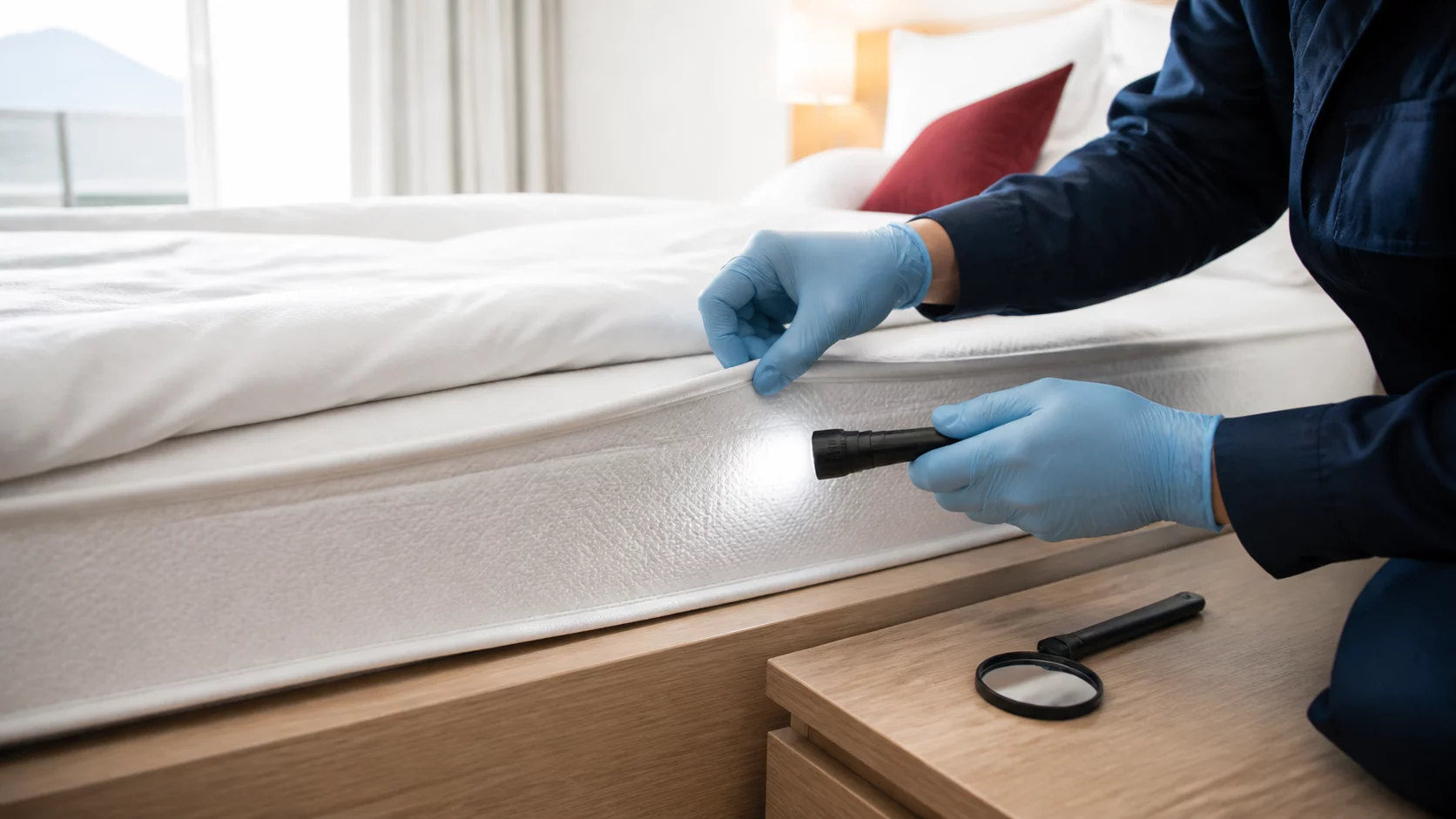
Inspect second-hand furniture, long-stored luggage and packaging from cellars before bringing them into living areas.
Learn to read early signs
Repeated tracks, gnaw marks, droppings, shed skins, damaged packaging or night-time noises deserve attention. Photograph the sign and note its location and date. If possible, keep a sample in a closed container. Correct identification prevents unnecessary treatment and allows a targeted response.
What to avoid
Using several sprays before identifying the species may expose people and pets unnecessarily, push the problem into other areas or make an inspection harder. Moving objects between rooms before a diagnosis can also help pests spread.
When to involve a professional
Seek an assessment when signs return, affect several rooms, suggest bed bugs, cockroaches or rodents, or occur where food and vulnerable people are present. Professional pest management starts with identification, prioritises physical and preventive measures and uses biocides only when necessary and in a controlled manner.
TIsistemo serves Ticino, Mesolcina and the Calanca valley with discreet inspections and plans tailored to each building, addressing the cause rather than only the visible symptom.
Sources and further reading
For responsible biocide use and professional requirements, see the Swiss Federal Office of Public Health and the Canton of Ticino.