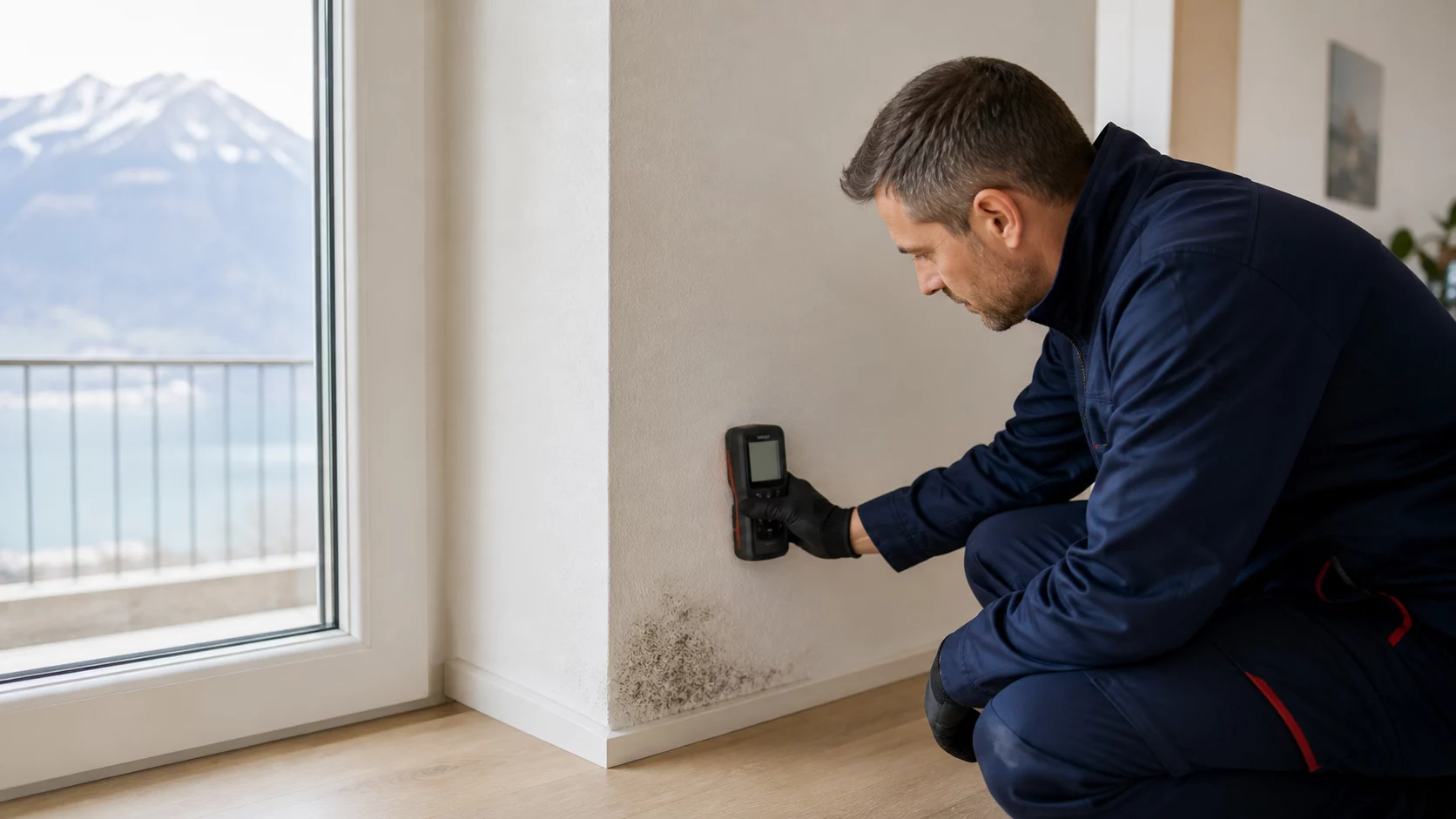
Bed bugs can appear in clean, well-maintained spaces. They usually travel concealed in luggage, furniture and other belongings, so their presence is not a measure of housekeeping. The priority is correct identification and limiting movement before any treatment begins.
The most reliable signs
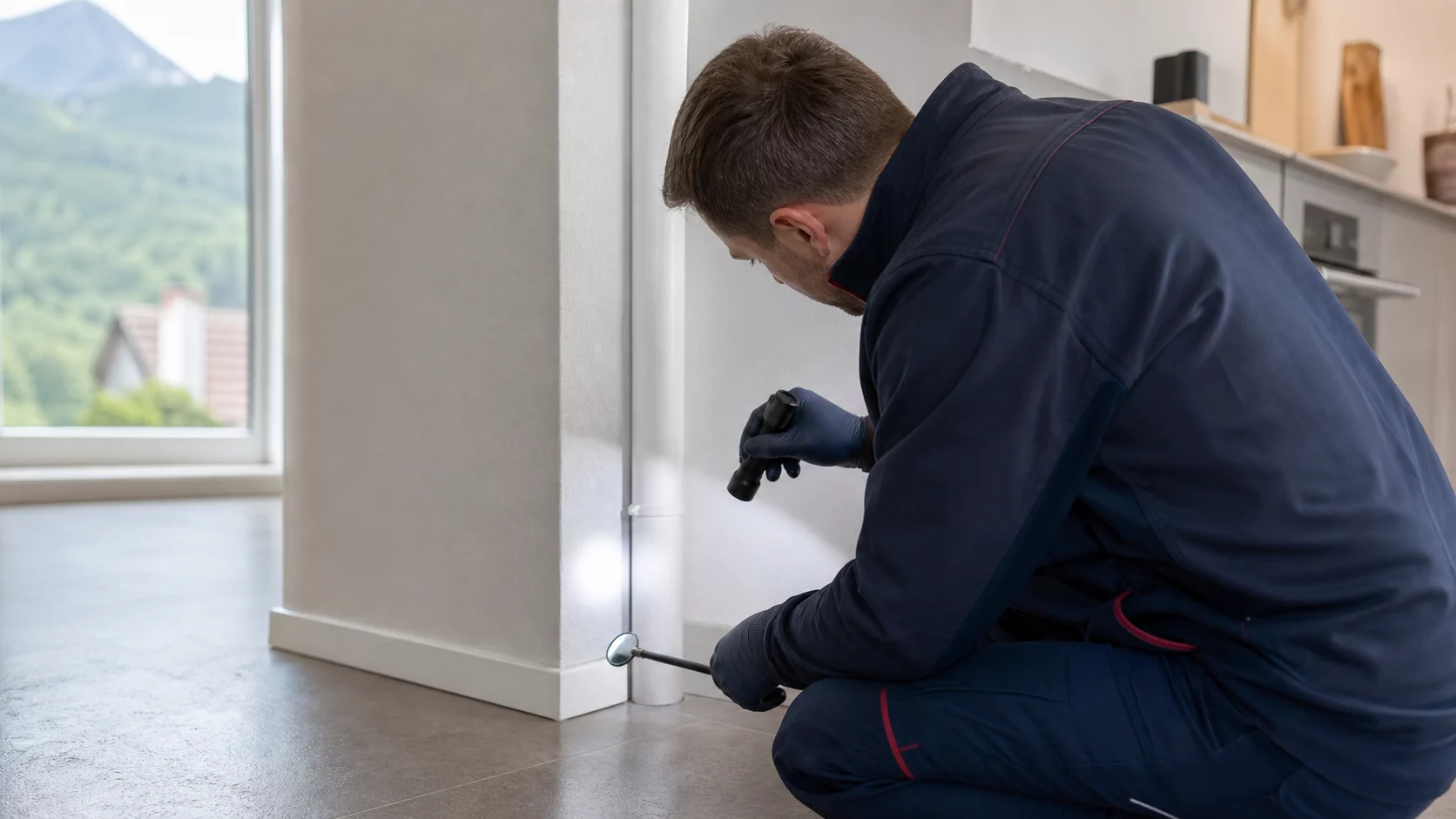
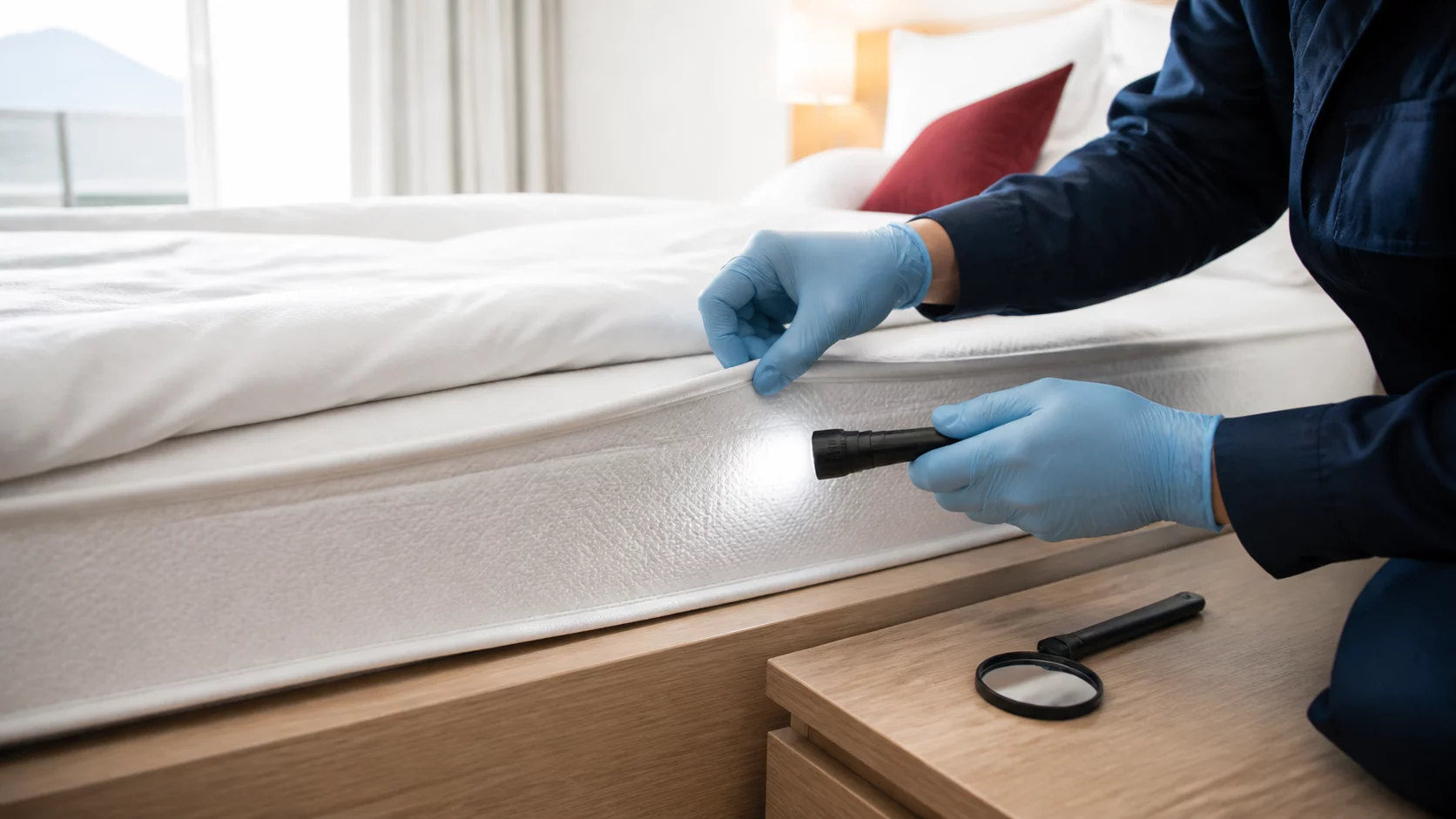
Skin reactions vary widely and may have many other causes. Bites alone are therefore not a diagnosis. With a flashlight, inspect mattress seams and piping, the bed base, headboard, bedside furniture and cracks close to the sleeping area.
Small dark dots repeated along seams or joints.
Pale shed skins, very small eggs or live insects concealed in gaps.
Unusual, recurring marks on bed linen.
A clear photograph or an intact specimen kept in a closed container can help a professional confirm the identification.
Three myths to set aside
“They only live in dirty rooms”
False. Bed bugs seek a host, not dirt. They can be introduced into homes, hotels, residences and public transport regardless of cleaning standards.
“Replacing the mattress solves it”
False. They may hide in the bed frame, furniture and very narrow cracks. Discarding a mattress without a plan can spread insects while it is being moved.
“One spray fixes the problem”
Often false. Products used without a strategy may not reach harbourages, may push bugs into other areas and can make subsequent work harder.
What to do first
Do not move linen, luggage or furniture into another room.
Do not start improvised treatment or discard belongings before an assessment.
Photograph signs and record where they were found.
Seal suspect items in sturdy bags without taking them out of the affected area.
Contact a specialist promptly and mention recent travel or second-hand furniture.
What professional treatment involves
Inspection confirms the species, defines the extent and determines an appropriate method. A plan may combine controlled vacuuming, heat or authorised products with specific instructions for textiles and belongings. Monitoring and follow-up visits are often needed; promising the same instant solution in every case would not be responsible.
Reducing risk after travel
Keep luggage away from the bed during a stay. On returning home, examine seams and pockets and unpack in an area that is easy to inspect. Wash or treat fabrics according to their care labels and check second-hand items carefully. No routine removes all risk, but an orderly process helps reveal a problem sooner.
TIsistemo provides discreet inspections across Ticino, Mesolcina and the Calanca valley, tailoring the protocol to the evidence and the premises.
Sources and further reading
Official guidance: Swiss Federal Office of Public Health and Swiss Federal Office for the Environment.