






We handle targeted pest control with safe, discreet methods.
Insects, rodents, unwanted guests? We know them. We know how to intervene.
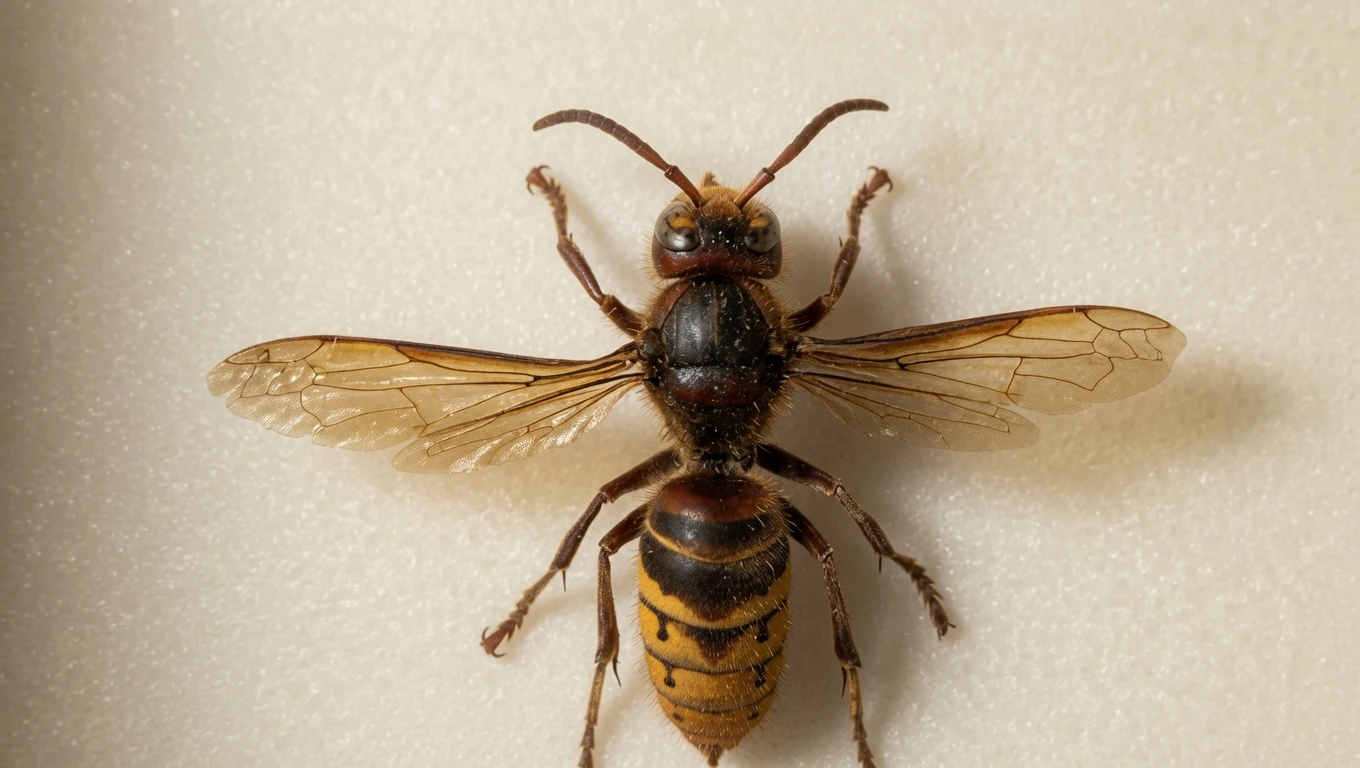
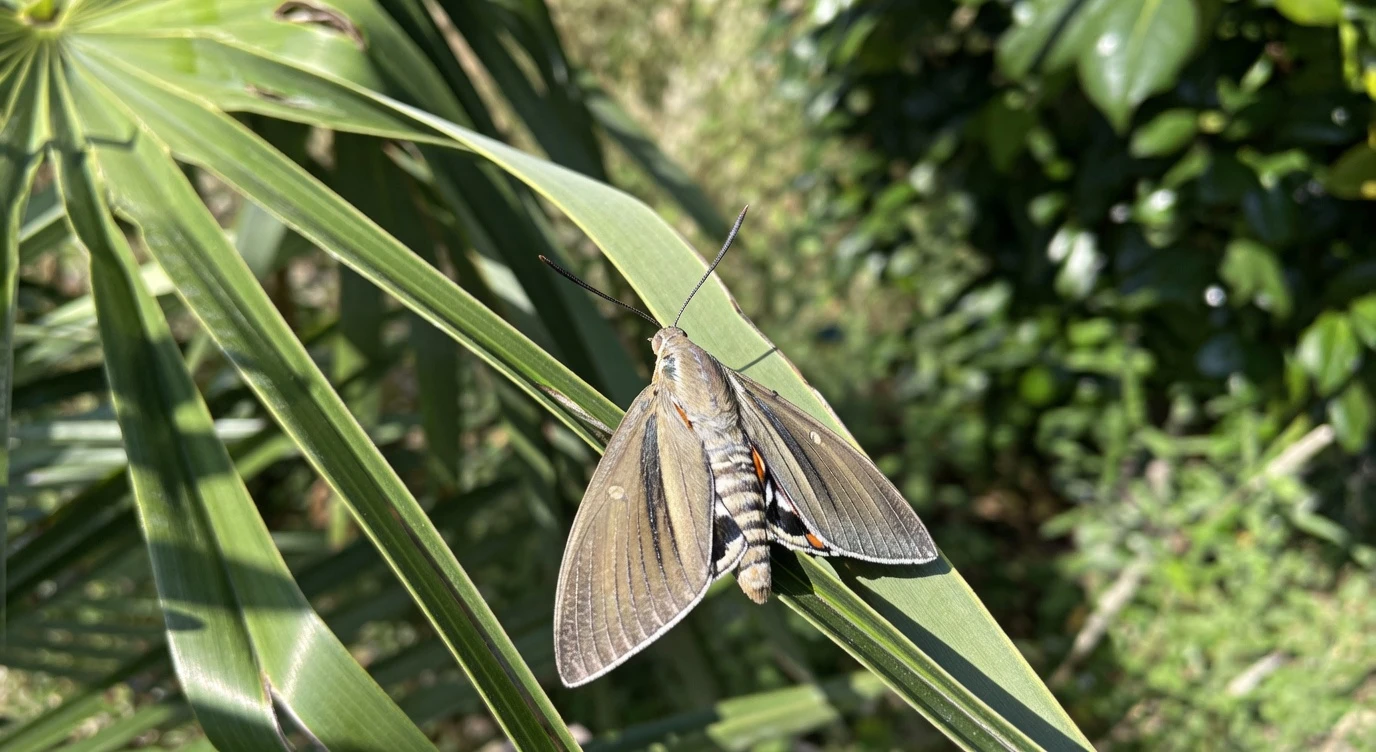
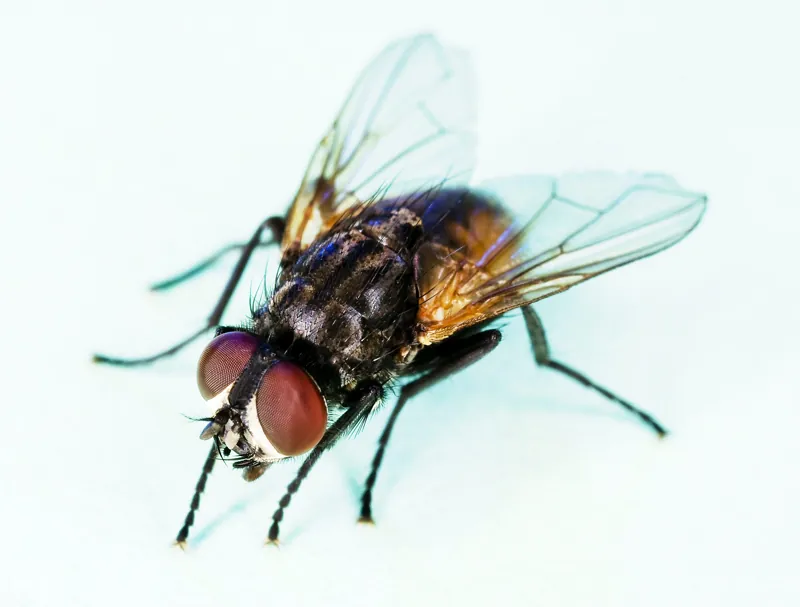
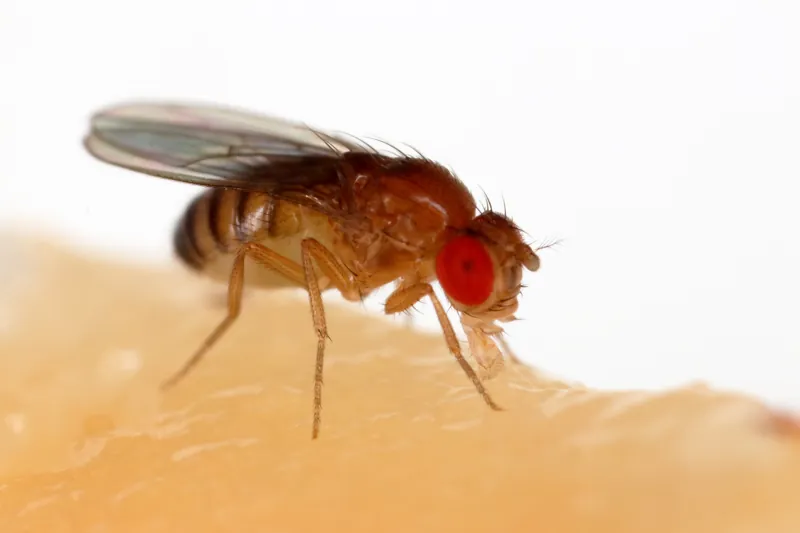
What we handle
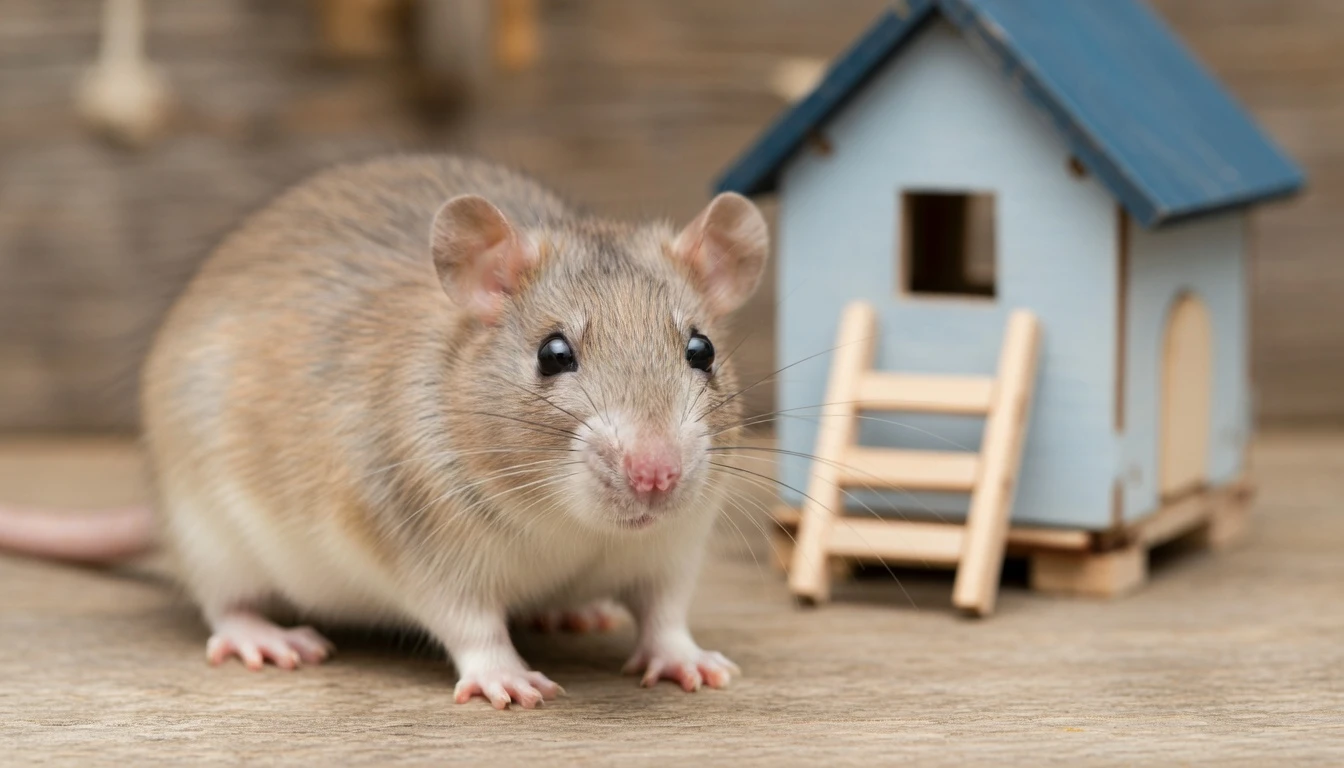
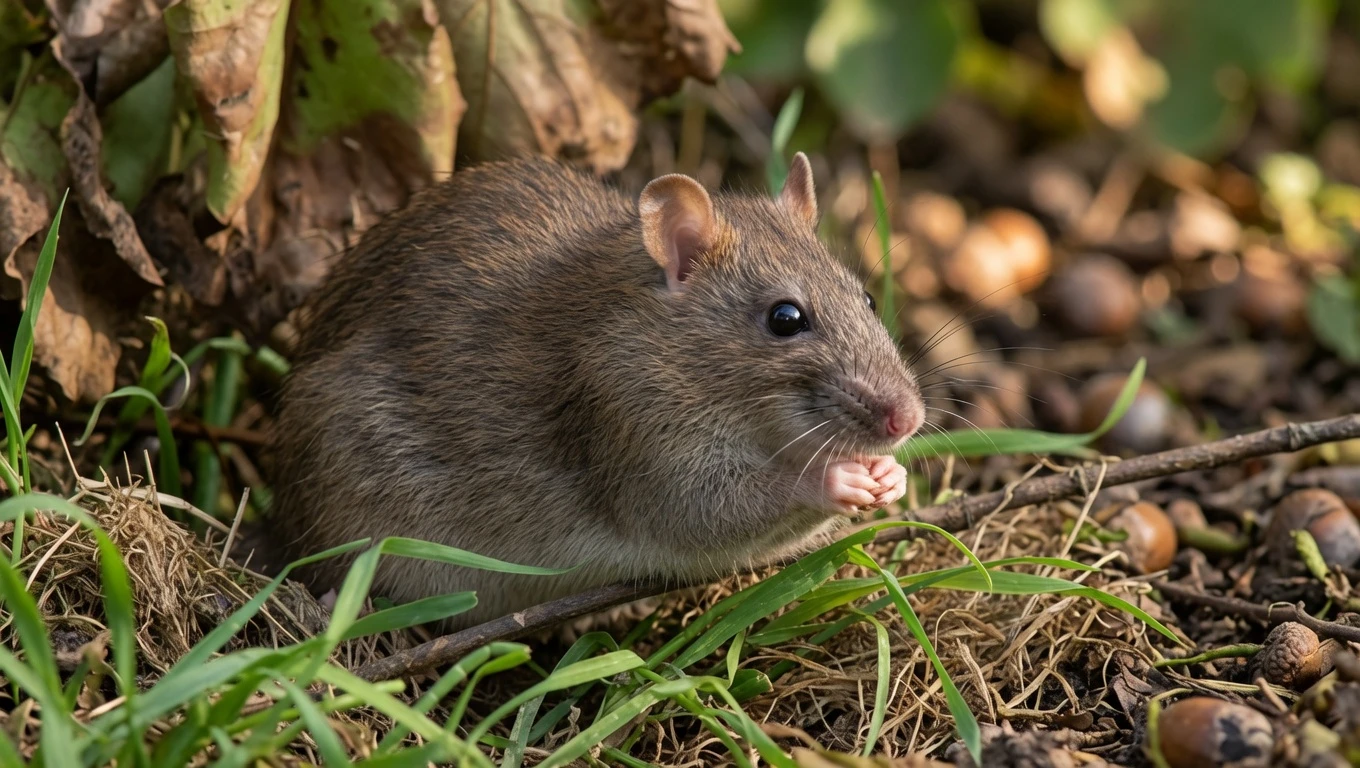
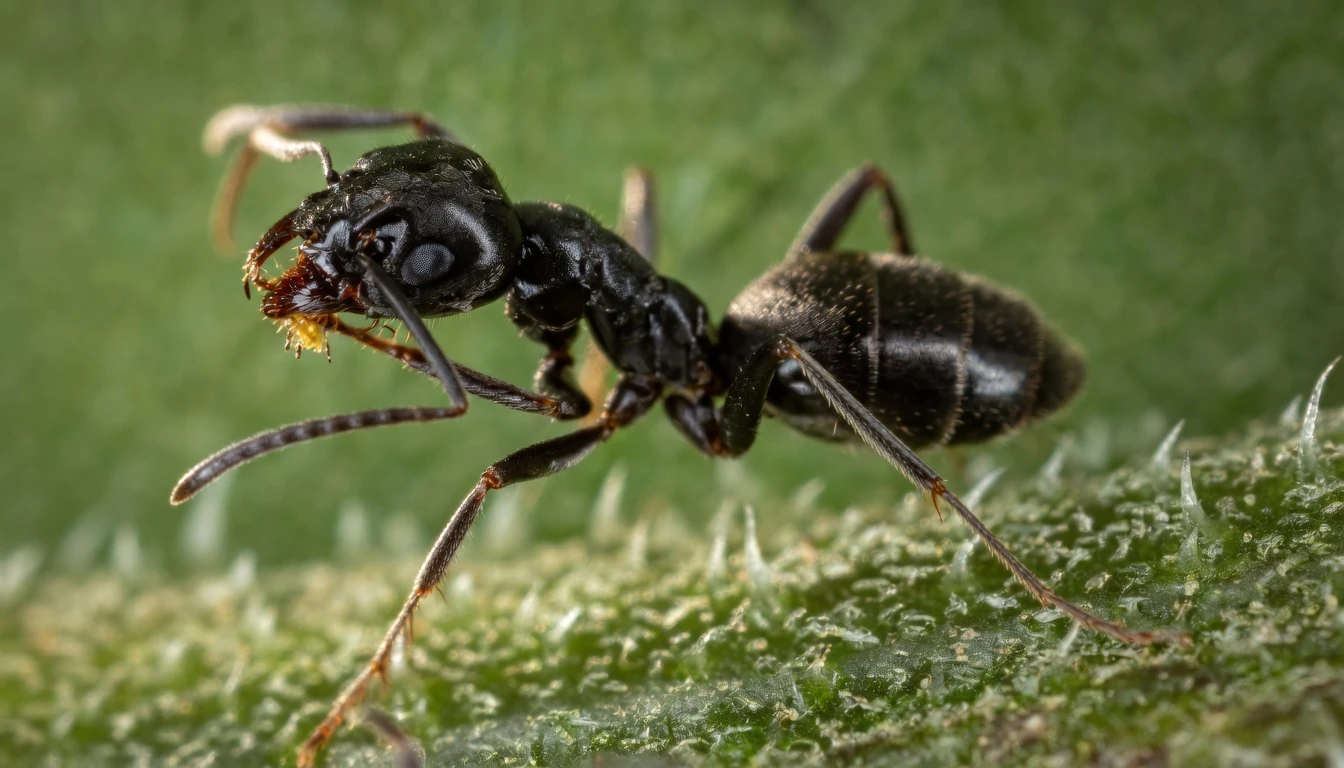 Tapinoma magnum
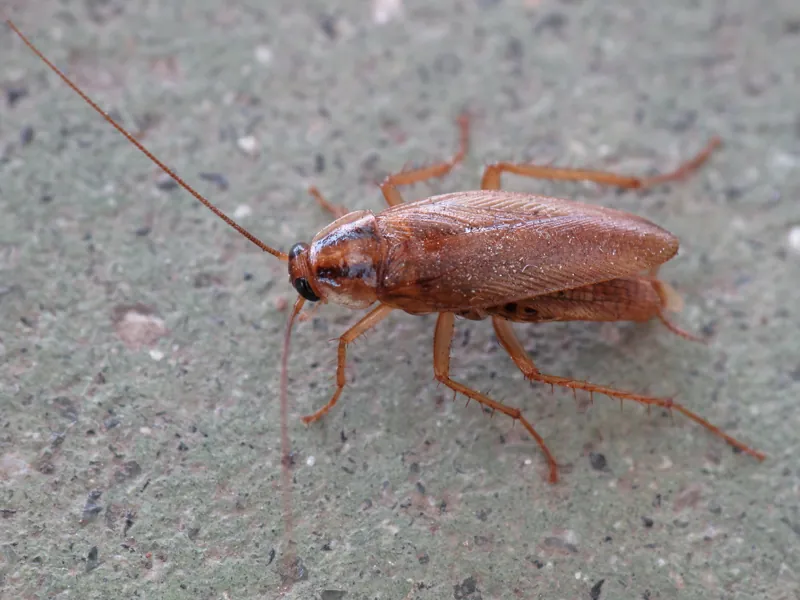 German cockroach
Blattella germanica
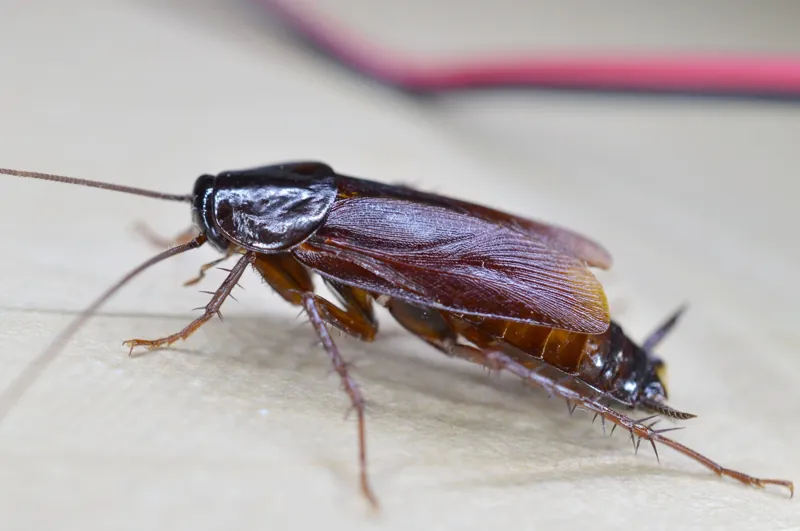 Oriental cockroach
Blatta orientalis
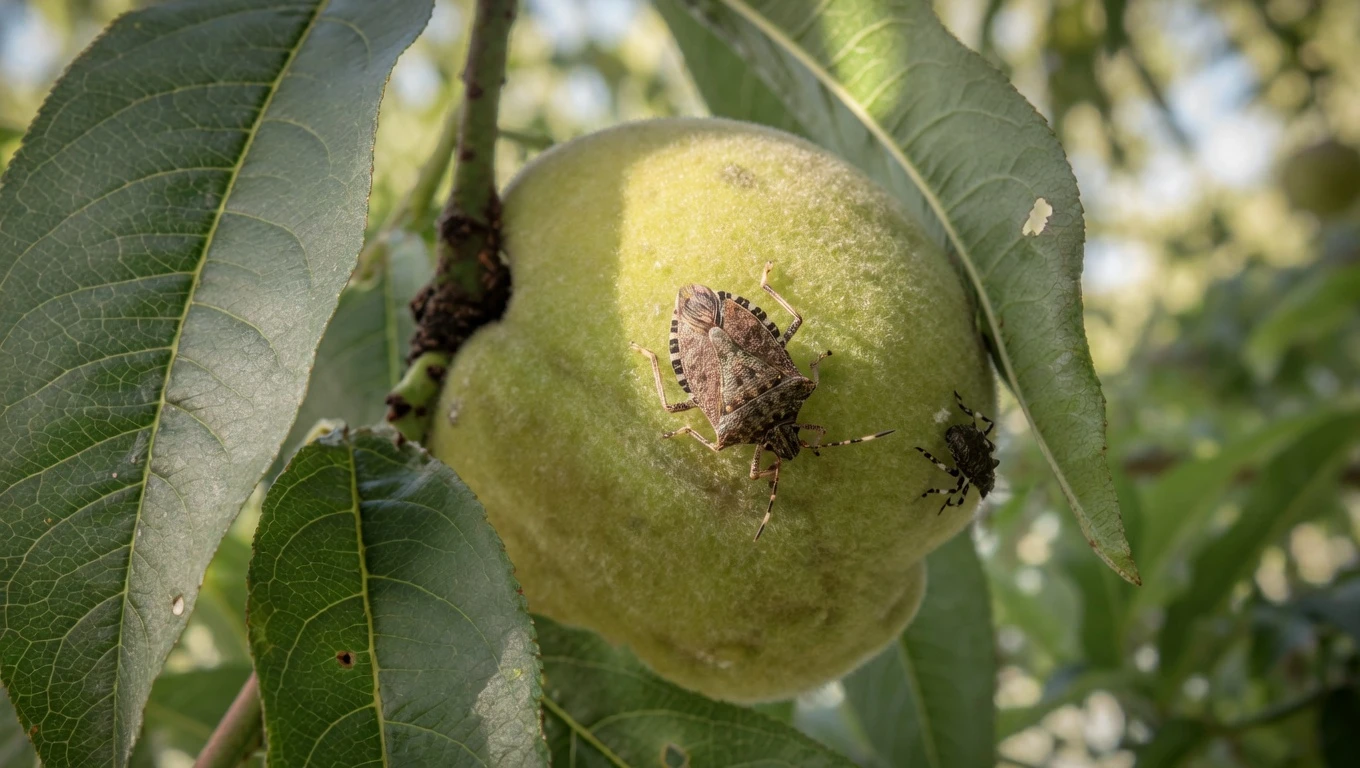 Brown marmorated stink bug
Halyomorpha halys
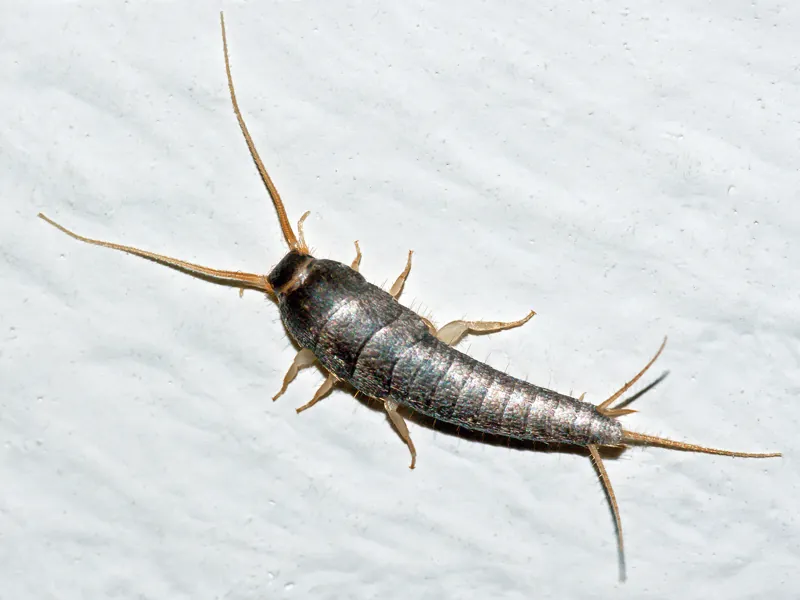 Silverfish
Lepisma saccharinum
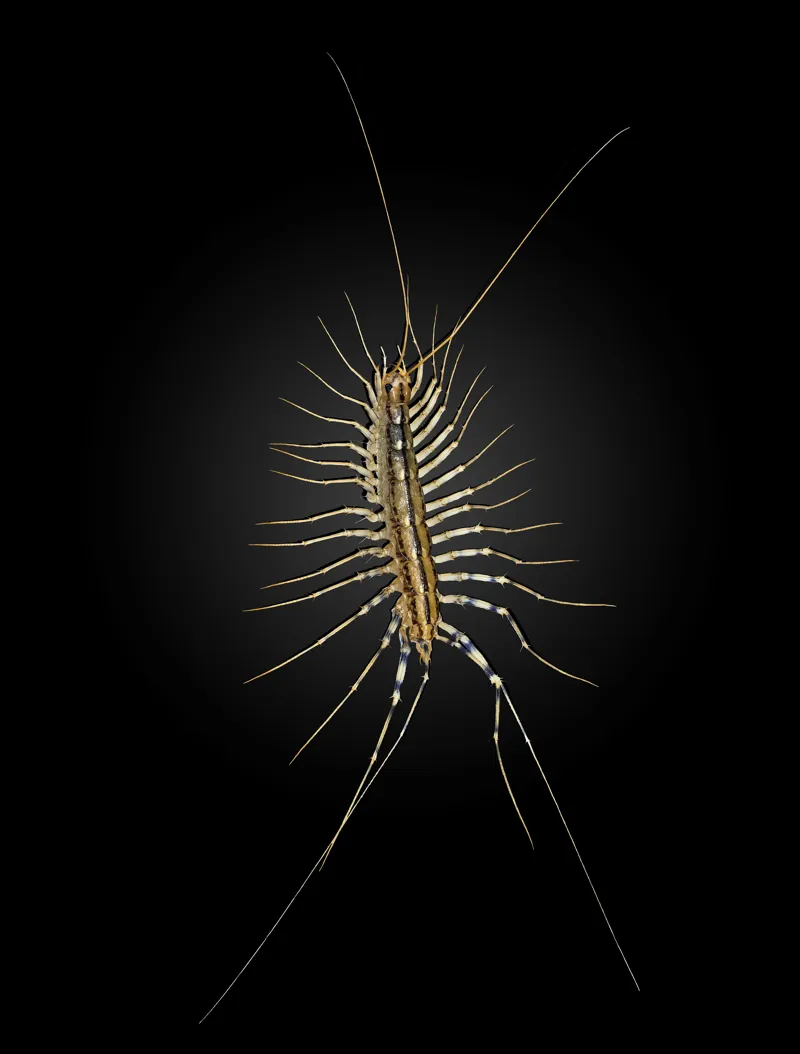 Centipedes
Scutigera coleoptrata
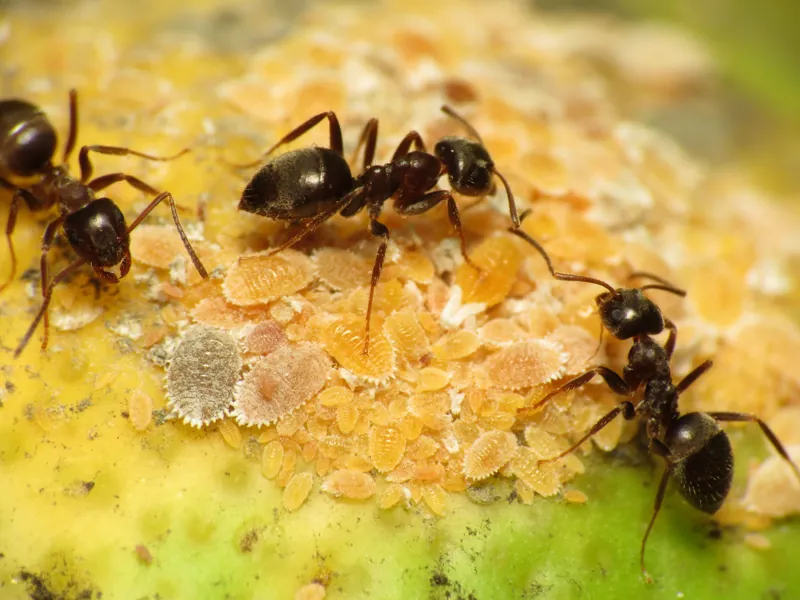 Common ant
Lasius niger
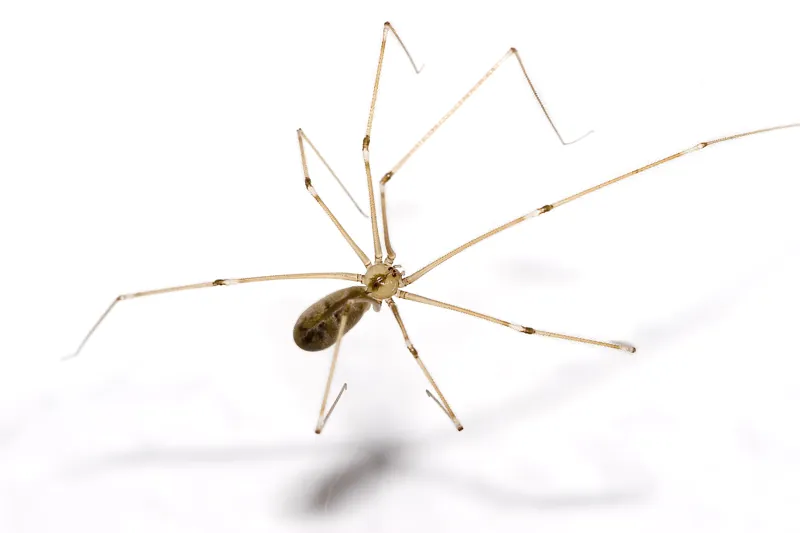 Spiders
Araneae
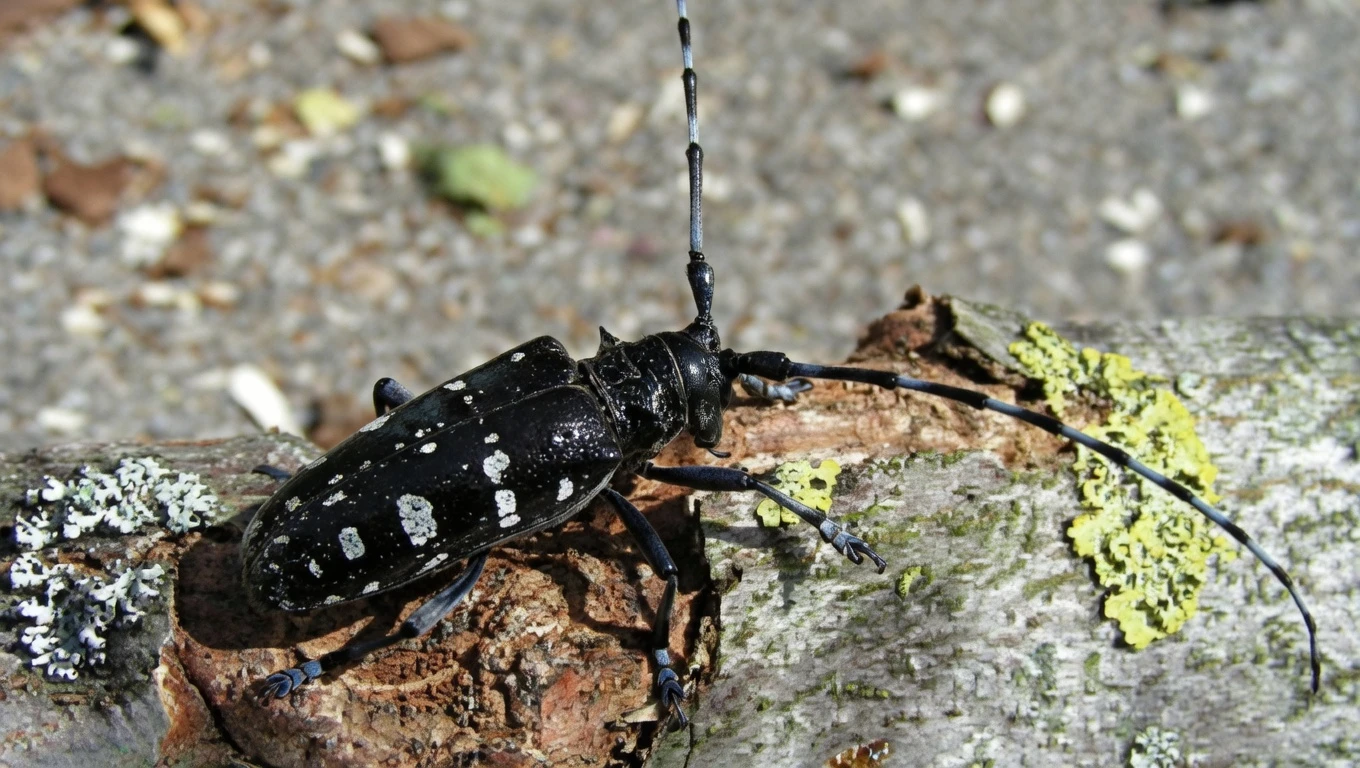 Asian longhorned beetles
Anoplophora glabripennis / A. chinensis
What we do
Inspection and diagnosis
We analyze the problem on-site to identify it precisely and understand its causes.
Method selection
Mechanical, ecological or — as a last resort — chemical. Every choice is justified and shared.
Targeted intervention
We carry out the treatment with authorised professional products, applied according to the instructions for use to protect people and pets.
Post-treatment monitoring
We verify the result over time and suggest preventive measures to reduce recurrence risk.
Approved products
Effective, controlled, used with care.
We only use authorised professional products and methods suited to the situation. Before intervening, we explain any precautions, re-entry times and useful instructions for people who live or work in the treated spaces.
- Compliance with current regulations
- Clear instructions before and after the intervention
- Attention to children and pets
How we do it
Integrated pest management
The concept of integrated pest management is based on the interaction of different measures according to the situation. It is represented by a multi-level pyramid and pursues a comprehensive approach to pest control. It includes preventing an infestation as far as possible, detecting it early and, if necessary, controlling it with suitable methods.
- Seek advice
- Choose the product carefully
- Follow the instructions for use
- Mechanical
- Physical
- Biological
- Recognise signs of infestation
- Identify the type of pest
- Assess the dangers and damage
- Seal access points
- Store food, waste and textiles safely
- Prevent the introduction of pests
- Use repellents
Approach based on the principles of integrated pest management promoted by the FOEN (Federal Office for the Environment). Source: FOEN
Safety for the food sector
It is important to assess and identify the risks of pest contamination.
Hazard analysis and critical control points is a preventive self-monitoring system mandatory for food-sector businesses. Its purpose is to ensure food safety and hygiene by identifying and monitoring potential biological, chemical and physical risks. It is built on 7 fundamental principles:
-
1
Hazard analysis Identification of potential risks (e.g. bacteria, foreign bodies) at each stage of production.
-
2
Identification of CCPs (Critical Control Points) Determining the steps where a control can be applied to prevent or eliminate the hazard.
-
3
Setting critical limits Setting the parameters (e.g. temperature, cooking time) that must not be exceeded.
-
4
Monitoring procedures Regular checks and measurements to ensure the process stays within the established critical limits.
-
5
Corrective actions Measures to be taken immediately if a critical limit is exceeded or a problem occurs.
-
6
Verification Verification and review procedures to confirm that the HACCP system works effectively.
-
7
Recording and documentation Keeping written records to track monitoring, verifications and any corrective actions taken.
Got a problem? Call us now.
Rapid response across Canton Ticino and Italian-speaking Graubünden. Free quote.