The 2026 mosquito season is receiving particular attention in Ticino. In December 2025 the Canton confirmed Switzerland’s first locally acquired West Nile infection. This expected surveillance finding does not turn every bite into an emergency, but it reinforces the value of consistent prevention.
What changed in 2026
In May 2026, the Swiss Federal Office of Public Health published a West Nile action plan covering coordination, diagnostics, surveillance, prevention, communication, case management and vector control according to risk level. Ticino already monitors mosquitoes for flaviviruses every year from July to September using traps and specialist analysis.
The practical message for residents remains straightforward: reduce breeding sites and prevent bites. The authorities assess surveillance data and adapt any response to the observed situation.
Tiger mosquitoes and West Nile are not the same issue
The tiger mosquito is widespread in Ticino, tends to bite during the day and breeds in small collections of water close to homes. It can transmit dengue, chikungunya and Zika. The main West Nile vector is instead the common, native Culex mosquito.
The two issues should not be confused, although they share part of the solution: less standing water means fewer breeding opportunities for several mosquito species.
A weekly checklist from May to September
Remove buckets, empty saucers, tarpaulins and small items that can collect rain.
Replace water in plant saucers, paddling pools and animal drinking containers at least weekly.
Keep rainwater barrels tightly closed when it is not raining.
Clear leaves and standing water from gutters, drains and inspection chambers.
Fill holes in walls or paving that retain water with sand.
For sites that cannot be emptied, follow guidance from the municipality and Ticino’s mosquito working group.
Consistency matters more than a one-off effort. A few minutes each week can interrupt many small breeding sites around a property.
Preventing bites
Intact window screens, covering clothing in the most exposed places and repellents used according to their labels work together. The FOPH recommends choosing physical barriers where possible and particular caution for older or immunocompromised people, who are at greater risk of severe West Nile disease.
When a professional survey is useful
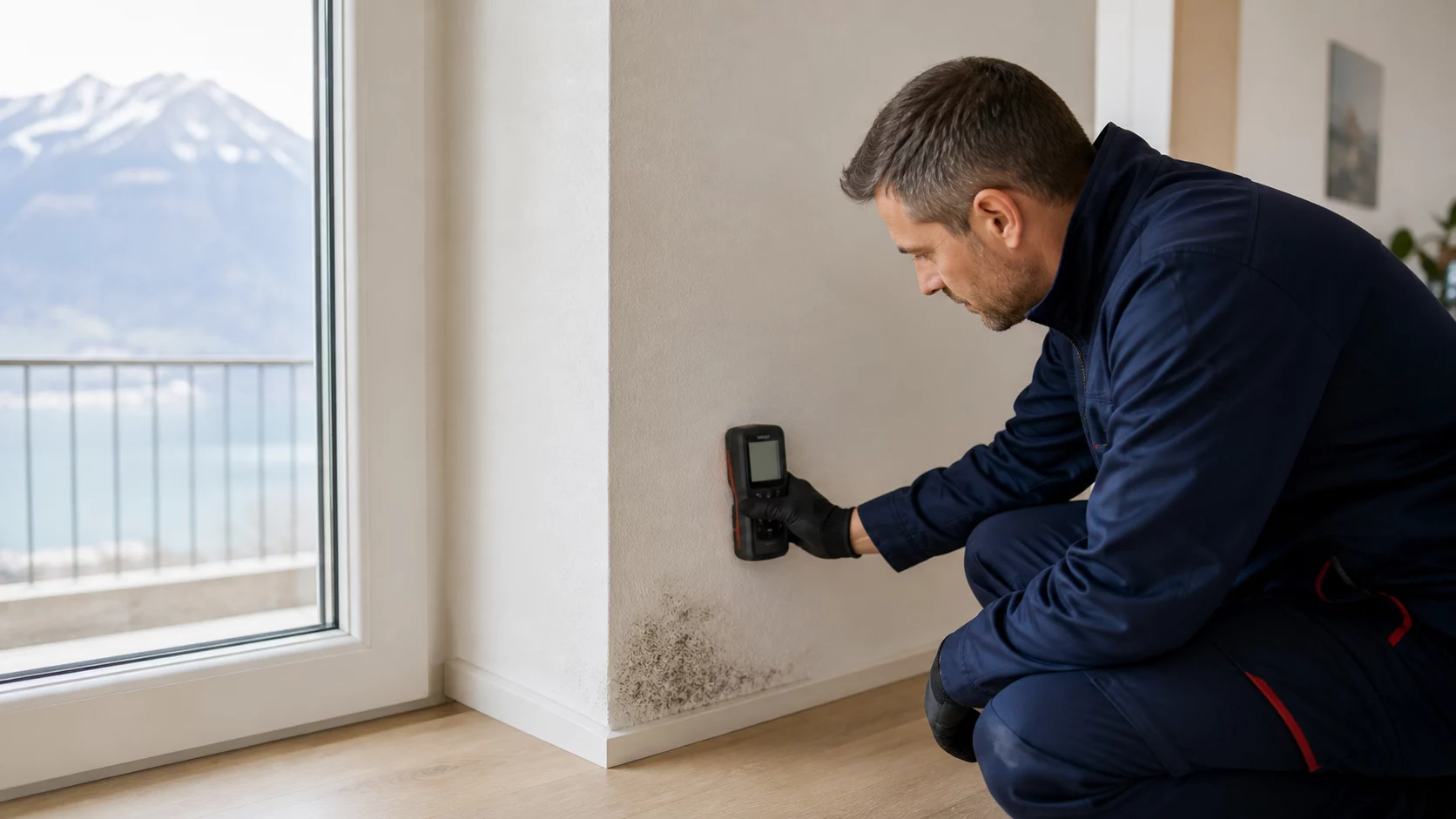
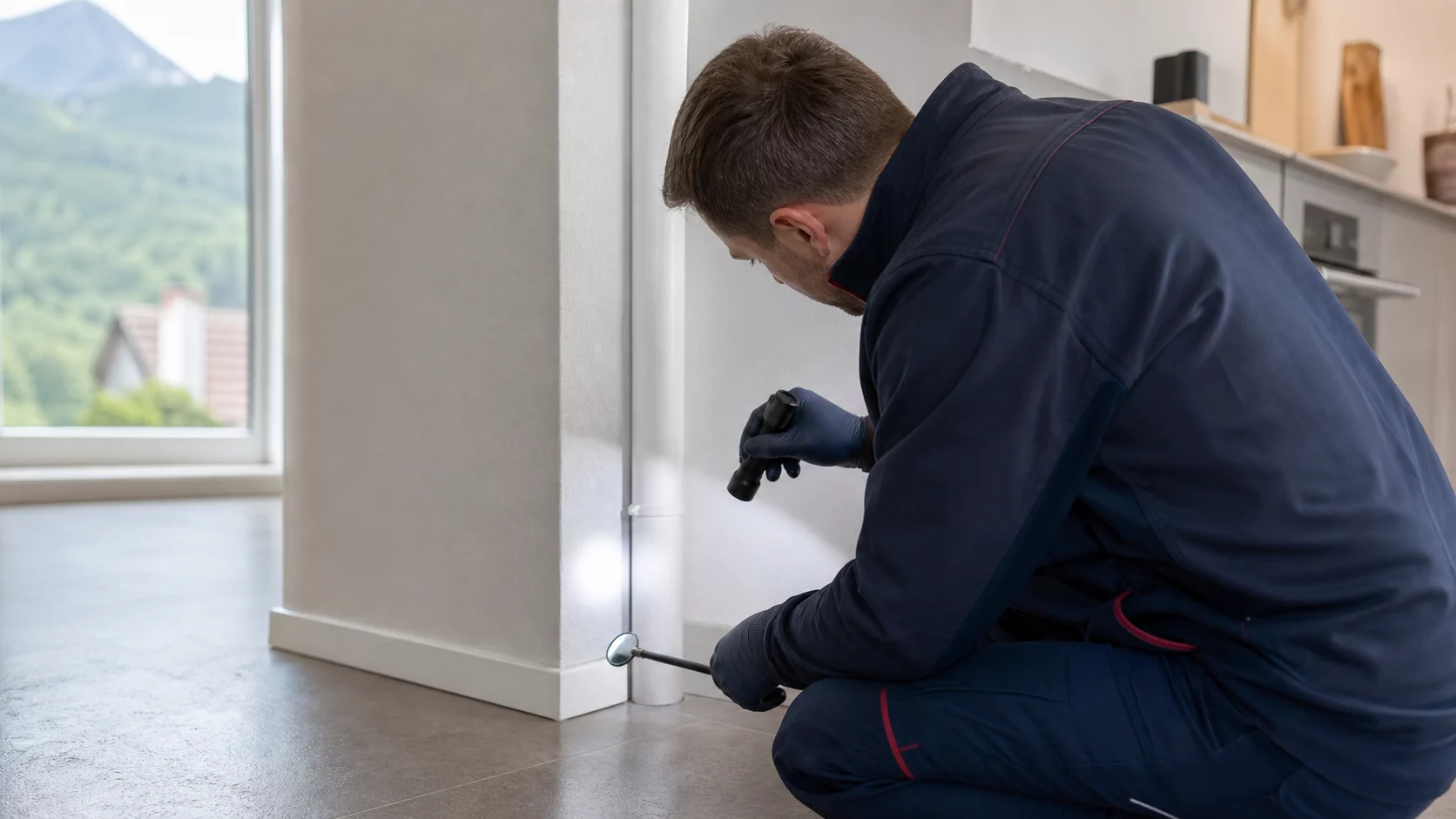
In apartment buildings, accommodation, businesses with outdoor areas or properties with hard-to-manage drains and water storage, an inspection can map critical points and establish a seasonal plan. The right response combines removing standing water, maintenance, monitoring and targeted treatment only where indicated.
TIsistemo supports homes and businesses in Ticino with proportionate seasonal checks aligned with official recommendations.
Official sources
Guidance from the Canton Ticino mosquito working group, the cantonal page on West Nile virus and the FOPH 2026 action plan.